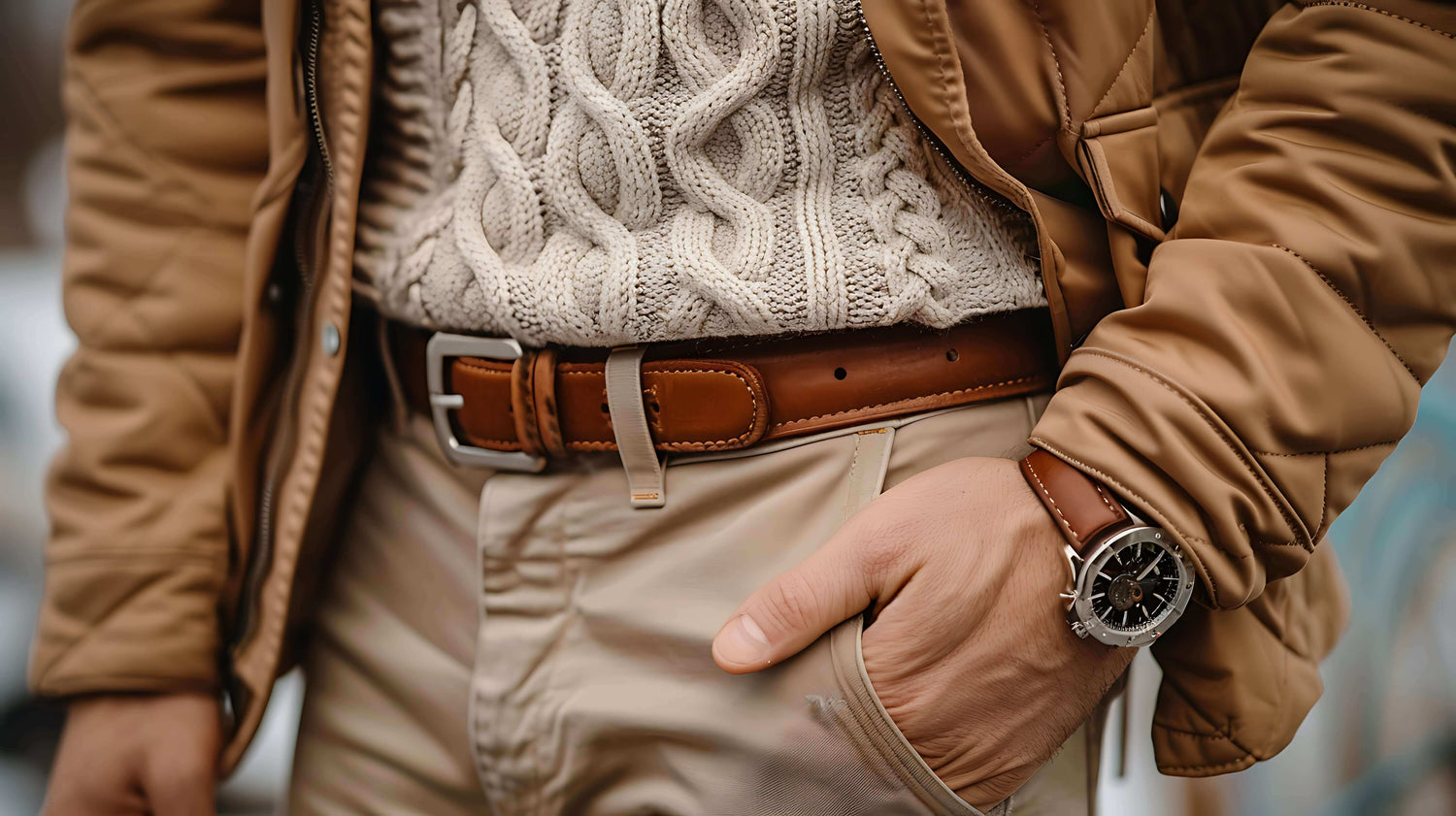


A rhinestone belt can sharpen an outfit in seconds - but only when the rest of the look gives it room to work. That is the real answer to how to wear rhinestone belts well. They are not difficult to style, but they do ask for a bit more intention than an everyday leather belt. Get the balance right and you have a piece that feels confident, polished and full of character rather than overdone.
Rhinestone belts sit in an interesting space. They are decorative, yes, but they also do a practical job. They define the waist, break up an outfit, add texture and draw the eye exactly where you want it. The trick is treating them as a statement with structure, not just sparkle for sparkle’s sake.
How to wear rhinestone belts without overdoing it
The easiest mistake is letting every part of the outfit compete. If your belt is bright, reflective and detailed, the rest of the look should feel cleaner. That does not mean plain or dull. It means controlled.
A black dress with a rhinestone belt works because the surface of the dress stays calm while the belt brings contrast and shape. The same applies to dark denim, tailored trousers, a crisp shirt or a fitted knit. Solid colours usually give the belt the strongest platform, especially black, white, cream, denim blue and deeper jewel tones.
Print can work, but it depends on scale. A small floral dress with a highly embellished belt can look busy. A larger, simpler pattern may hold up better. If you are not sure, start with block colours and let the belt do the talking.
Metal matters too. Cool-toned rhinestones tend to sit naturally with silver hardware, charcoal, black and icy neutrals. Warmer stones or belts with gold detailing often look better with tan leather, cream, brown or richer earthy shades. It is a small detail, but it makes the whole outfit feel more deliberate.
Start with the outfit, not the belt
People often try to build everything around the rhinestone belt. In practice, it is easier to choose the outfit first, then decide whether the belt should be the focal point or the finishing touch.
If you want the belt to lead, keep the clothing streamlined. Think high-waisted jeans with a tucked-in vest, a simple midi dress, or a blazer worn over a fitted top and tailored trousers. In those outfits, the belt becomes the clear point of interest.
If you want a softer effect, use the belt to add shape rather than drama. A slimmer rhinestone belt over a knit dress or at the waist of a longer shirt dress can lift the look without turning it into full eveningwear. That is often the better choice for daytime styling, where comfort and wearability matter just as much as impact.
This is where fit makes a difference. A belt that sits smoothly and comfortably always looks more expensive than one that twists, gaps or cuts in awkwardly. Statement style still needs proper function.
Best outfits for rhinestone belts
Rhinestone belts are more versatile than they first appear. Western-inspired outfits are the obvious starting point, and for good reason. Denim, boots, structured shirts and a touch of shine are a natural match. A rhinestone belt with dark-wash jeans and a tucked white shirt looks sharp without trying too hard. Add a leather jacket and the outfit gains edge while the belt keeps its personality.
They also work well with dresses, especially when a silhouette needs more waist definition. A plain black dress becomes more finished with a rhinestone belt, and a flowy dress gains structure. For occasions, this can be a stronger move than adding louder jewellery because it shapes the outfit as well as decorates it.
Tailoring is another good route if you want contrast. A rhinestone belt with wide-leg trousers and a fitted blouse can look modern rather than costume-like, especially if the stones are set in a slimmer belt design. The cleaner the line of the outfit, the more refined the sparkle feels.
Even casual looks can carry it. A simple T-shirt, straight jeans and a rhinestone belt can be enough, particularly if the belt has a western buckle or darker crystal finish. This is often the most wearable way to introduce the style if you are trying it for the first time.
Daytime or evening - it depends on the finish
Not every rhinestone belt gives the same effect. Some are bright and high-shine, designed to catch light from across the room. Others have a more restrained finish, with smaller stones, darker settings or a narrower profile. That distinction matters.
For daytime, belts with less flash usually work better. Pair them with denim, cotton shirts, knitwear or matte dresses. The contrast between practical fabrics and a subtle shine is what keeps the look grounded.
For evening, you can push the styling further. Larger stones, more reflective surfaces and bolder buckles sit comfortably with satin, black tailoring, heeled boots or fitted dresses. You do not need to match the belt with a heavily embellished bag or shoes. In most cases, that weakens the look rather than strengthening it. One strong detail usually carries more authority than three competing ones.
Where the belt should sit
A rhinestone belt can sit at the natural waist or on the hips, and the right choice depends on the outfit and the shape you want to create.
At the waist, it brings definition and creates a more polished silhouette. This works particularly well over dresses, long shirts, blazers and high-waisted trousers. It is the more classic, styled position and usually the easiest way to make the belt feel intentional.
On the hips, the effect is more relaxed and often more casual. This works best with jeans, lower-rise trousers and western-inspired outfits. If the belt is bold, hip placement can stop the look from feeling too formal.
There is no universal rule here. Body shape, rise of the trouser, top length and belt width all affect the result. If a belt looks slightly off, it is often not the belt itself - it is simply sitting in the wrong place for that outfit.
Choosing the right width and detail
If you are wondering how to wear rhinestone belts in a way that feels flattering, width is one of the biggest factors. Wider belts make more of a statement and suit sturdier outfits such as denim, thicker dresses and western looks. They can also define the waist strongly, which some people love and others find too assertive.
Slimmer rhinestone belts are easier to dress up or down. They work better with lighter fabrics, occasion dresses and cleaner tailoring. They are also a sensible first buy if you like the idea of sparkle but do not want a belt that dominates every outfit.
Detail matters just as much as width. A belt covered edge to edge in stones is a very different piece from one with a rhinestone buckle and a cleaner strap. Full embellishment has more drama. Buckle-led designs give you more flexibility and often more mileage across day and evening looks.
What to avoid
The main pitfall is styling the belt as if more shine automatically means more style. A rhinestone belt does not need rhinestone shoes, a glitter bag and oversized statement earrings to prove a point. In fact, that usually makes the outfit feel less confident.
Another issue is poor proportion. A very wide, bright belt over a delicate slip dress can overpower the whole silhouette. A tiny belt on bulky layers may disappear and look accidental. Weight, scale and fabric all need to work together.
Comfort matters too. If the belt digs in, slides around or feels stiff after an hour, you will wear it less and it will never quite sit right. Decorative belts still need decent construction, secure hardware and a fit that holds through real wear. Sparkle without compromise only works when the belt is built to do its job.
Making rhinestone belts feel like your style
The best styling does not come from copying a look exactly. It comes from knowing what role the belt is playing in your wardrobe. For some, it is an occasional statement piece for nights out and events. For others, it becomes part of a signature look with denim, boots and simple tops.
If your style leans minimal, choose a narrower rhinestone belt and wear it with monochrome outfits. If you prefer stronger detail, go for a western shape, larger buckle or heavier embellishment and pair it with structured denim or leather. If you sit somewhere in the middle, a belt with a clean strap and a detailed buckle gives you room to move.
That is why specialist choice matters. A well-made belt should not just look good on a product page. It should sit properly, feel solid in the hand and keep its finish through repeated wear. At BeltBuy, that balance between statement style and everyday comfort is exactly what makes a belt worth owning.
A rhinestone belt works best when it looks like part of your outfit rather than an afterthought. Give it clean lines, the right fit and enough space to stand out, and it will do what good accessories always do - make the whole look feel finished.