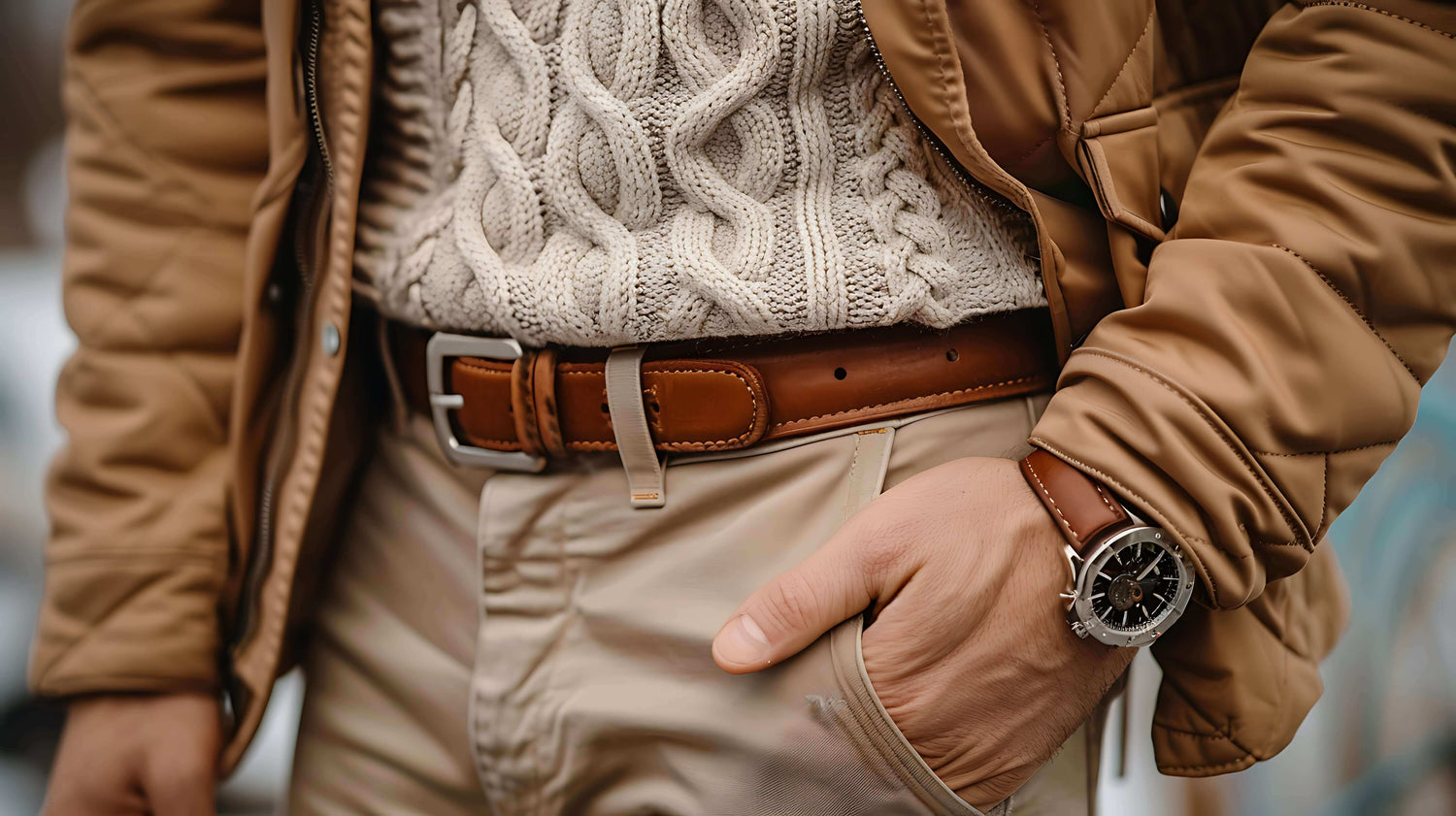


A belt can rescue an outfit that feels flat, define a waist that has disappeared under layers, or add enough polish to make simple staples look intentional. That is exactly why a women's belt styling guide matters - not as a fashion rulebook, but as a practical way to get more shape, balance and wear out of the clothes you already own.
The trick is to stop thinking of belts as an afterthought. A well-made belt does two jobs at once. It holds cleanly, sits comfortably through a long day, and changes the line of an outfit in seconds. When the material feels right and the width matches the clothing, the result looks sharper without trying too hard.
How to use a women's belt styling guide in real life
Most styling mistakes come down to proportion, not taste. A belt may be lovely on its own, but if it is too narrow for heavy denim or too bulky for a fluid dress, it can throw the whole look off. Start with the weight of the outfit first, then choose the belt.
With structured pieces such as tailored trousers, thick jeans or a crisp shirt dress, a medium-width leather belt usually gives the best balance. It has enough presence to shape the outfit but does not dominate it. Softer fabrics, looser knits and lightweight dresses often suit a slimmer belt, especially if you want definition without a hard visual break.
Colour matters too, but not in a fussy way. Black, brown and tan are the workhorses because they ground an outfit and wear well across seasons. If your wardrobe leans practical, these shades will give you the most mileage. If your style is more expressive, a rhinestone or western-inspired belt can work like jewellery - the focal point rather than the finishing touch.
Styling belts with jeans and everyday trousers
Jeans are where most women get the best return from a good belt. A quality leather belt makes denim look more finished, but it also improves comfort by keeping the fit consistent through the day. If you move between sitting, walking and commuting, that extra support makes a difference.
Straight-leg and wide-leg jeans can handle a more substantial belt. The denim has visual weight, so a belt with a stronger strap and a confident buckle looks at home. Skinny or slim-fit jeans often pair better with something slightly cleaner and less chunky, particularly if you want a sleeker silhouette.
For trousers, the belt should follow the formality of the outfit. Smart office trousers usually look best with a refined buckle and smooth leather finish. Cargo styles, utility trousers or heavier casual fabrics can take a belt with more texture, more hardware and a more rugged feel. It depends on whether you want the belt to disappear into the outfit or add character.
Belts with dresses: shape without stiffness
Belting a dress is less about holding it up and more about controlling shape. If a dress feels too straight, too loose or slightly unfinished, a belt can create a waistline in seconds. The key is placement.
Worn at the natural waist, a belt creates the strongest definition and gives more structure to midi dresses, shirt dresses and knit dresses. Worn a little lower, it feels more relaxed and can work well with softer silhouettes that you do not want to cinch too tightly. A narrow belt tends to look elegant on lighter fabrics, while a wider belt creates more drama and works better when the dress has enough fabric or structure to support it.
There is a trade-off here. The more statement the belt, the more carefully the rest of the outfit needs to behave. A glittering rhinestone belt on a simple black dress can look brilliant. The same belt with a heavily printed dress, bold jewellery and embellished shoes can start to compete with itself.
Styling belts with blazers, coats and layers
One of the easiest ways to make outerwear look more intentional is to belt it. An open blazer over trousers can feel loose and modern, but adding a belt over the blazer shifts the whole outfit into something more sculpted. It sharpens the waist and makes oversized tailoring look deliberate rather than borrowed.
This works especially well with longer blazers, lightweight coats and cardigans that need a bit more shape. A smooth leather belt keeps things polished. A decorative belt adds personality, but only if the outer layer is simple enough to let it stand out.
Bulk matters more in layered outfits. If the fabric is heavy, the belt needs enough body to sit flat and hold its line. Flimsy belts can twist, dig in or look lost against thicker materials. Comfort is part of style here - if a belt pinches whenever you sit down, you will stop wearing it.
Choosing the right width, buckle and finish
Width changes everything. Narrow belts are precise. They are useful when you want gentle definition, a cleaner office look or something that works with smaller belt loops. Medium widths are the most versatile because they bridge smart and casual dressing without much effort. Wider belts are bolder and more directional, best when you want to create shape or add impact.
Buckle size should follow the same logic. A small, neat buckle gives a quieter finish and suits tailored outfits well. Larger buckles, western details and rhinestone settings bring personality to denim, dresses and evening looks. Neither is better - it depends on whether the belt is supporting the outfit or leading it.
Finish also affects wearability. Full-grain or genuine leather tends to age better, soften with use and hold up to frequent wear. That matters if you want one belt to do serious work across the week. Decorative finishes are more style-led, but they still need decent construction. A statement belt should not mean compromising on comfort or durability.
When to match and when to contrast
Matching your belt to your shoes is a useful guideline, but not a law. If you are dressing for work or want a very pulled-together result, matching tones usually looks clean and easy. Black with black, tan with tan, brown with brown - simple, reliable, effective.
Contrast is often more interesting in casual outfits. A black belt with blue denim and white trainers adds definition without looking stiff. A tan belt can warm up cream, navy and olive beautifully. Metallic or rhinestone details can also pick up jewellery or bag hardware, which helps an outfit feel connected without being overly coordinated.
The best approach is to match the mood rather than every single item. If the outfit feels polished, keep the belt polished. If the outfit feels expressive, let the belt have more attitude.
Statement belts without overdoing it
A statement belt earns its place when the rest of the outfit gives it room. Rhinestone belts, western belts and bold buckles work best when they have a clear job to do. They can lift a plain dress, break up a monochrome outfit or add character to denim and boots.
What tends to go wrong is scale. If the belt is bright, reflective or heavily detailed, keep the clothing shape clean. That contrast is what makes the belt look intentional. Too many competing details can make the whole outfit look busy rather than confident.
This is where specialist belt design matters. A statement style still needs to sit well, fasten securely and feel comfortable after several hours. Sparkle without compromise is the goal.
Fit matters more than most people think
Even the best-looking belt fails if the fit is awkward. Too tight and it bunches fabric, digs in and creates a forced shape. Too loose and it drops, twists or stops doing its job. The right fit should feel secure but easy - supportive enough to stay put, comfortable enough to forget about.
That is why adjustability matters. Belts that offer finer sizing or a cleaner, more precise fit can make everyday wear much easier, especially if your outfit changes between high-waisted jeans, dresses and tailored trousers. One belt does not need to do everything, but each belt should do its own job properly.
At BeltBuy, that balance of comfort, durability and style sits at the centre of what makes a belt worth wearing on repeat. It is not just about how it looks on the hanger. It is about how it performs from morning to evening.
A good belt should make getting dressed simpler. Choose one that suits the weight of your outfit, gives you the right amount of definition, and feels built to last - then let it do what the best accessories always do: make the whole look feel finished.