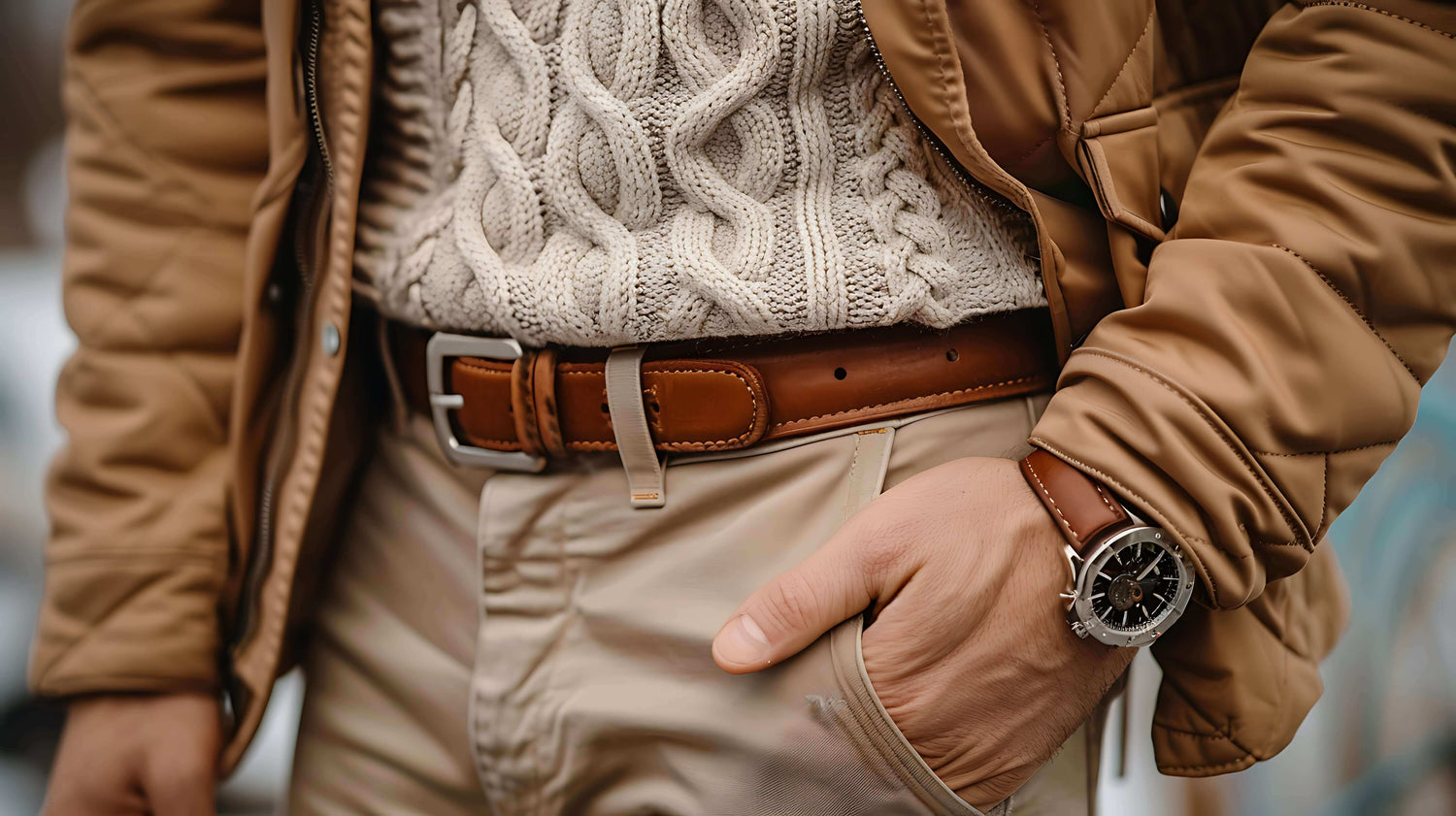


A tactical belt that shifts, pinches, or sags will ruin the whole point of wearing one. You buy this style for stability, clean adjustment, and all-day performance - so sizing it correctly matters more than with a basic casual belt. If you're wondering how to size tactical belt options for carry, work, travel, or everyday wear, the answer starts with measuring for real-world use, not just guessing from your pant size.
Tactical belts are built differently. Many use nylon webbing, reinforced cores, hook-and-loop adjustment, ratchet tracks, or low-profile buckles that change how the belt sits on your waist. That means your usual belt size can be a useful reference, but it should never be your only reference.
How to size tactical belt options without guessing
The fastest way to get the right fit is to measure the way you plan to wear the belt. That sounds obvious, but it's where most sizing mistakes happen. A tactical belt worn through jeans for daily use will not always fit the same as one worn over heavier-duty pants or loaded with gear.
Start with a flexible tape measure. Put on the pants you expect to wear most often with the belt. Thread an old belt through the loops if that helps you locate your natural wearing position, then measure around your waist exactly where the tactical belt will sit. Keep the tape snug, not tight. You want a realistic number that reflects comfort, not a compressed measurement.
If you plan to carry tools, a holster, a pouch, or any added weight, account for that now. Even a slim inside-the-waistband setup can change how much belt you need. In practical terms, many buyers do best by adding a little extra room rather than choosing the smallest size they can squeeze into. A tactical belt should feel secure and structured, not strained.
Why pant size is only a starting point
A lot of shoppers assume they can order the same number as their jeans and be done. Sometimes that works. Often it doesn't.
Pant sizes are inconsistent across brands, and tactical belts are less forgiving than stretch-heavy fashion belts. One brand's 34-inch pants may fit like another brand's 36. On top of that, the waistband rise, fabric thickness, and belt loop placement all affect how a belt rides.
That's why measured waist size beats tagged pant size every time. If your pants say 36 but your actual belt-line measurement is 38 when dressed, shop for the size that supports the 38-inch reality. Precision matters here because tactical belts are engineered for hold, not slack.
The old belt method can help
If you already own a belt that fits well, use it as a benchmark. Lay it flat and measure from the point where the buckle attaches to the hole or closure position you use most. That gives you a functional fit number.
This method works especially well if your current belt supports similar use. If it's a thin dress belt and you're moving into a stiffer tactical design, use the number as guidance, not gospel. Materials and buckle systems change the feel.
Tactical belt sizing depends on how you wear it
This is where fit gets more specific. Not every tactical belt is worn the same way, and the best size for one purpose may feel off for another.
For everyday wear, most people want a close, clean fit with enough adjustment to accommodate sitting, driving, and light movement. You do not want excess strap flapping around, but you do want enough extra length to fine-tune the fit after meals, layered clothing, or a long day on the move.
For concealed carry or tool support, a slightly more generous fit usually makes sense. The added bulk changes belt tension, and a belt that is perfect without gear can suddenly feel too tight once your setup is in place. Support is the goal, but comfort keeps the belt wearable.
For range use, outdoor work, or utility-heavy wear, leave yourself some room for layering. If you'll wear the belt over thicker pants or with seasonal changes in clothing, a little extra adjustability is smart. A tactical belt should adapt without losing structure.
Buckle style changes the fit
Not all tactical belts size the same because not all buckle systems work the same. This is one of the biggest reasons shoppers end up between sizes.
Traditional pin buckles rely on pre-set holes, so your fit is limited to those spacing intervals. If you're between holes, the belt may feel either too tight or too loose. With this style, getting the core size right matters a lot.
Ratchet and slide systems offer more micro-adjustment. That makes them easier to dial in, especially if your waist measurement changes throughout the day or you wear your belt with different pants. If you're choosing between two sizes in an adjustable system, the better option is usually the one that gives you enough tail and trimming flexibility without leaving too much excess.
Hook-and-loop tactical belts are highly adjustable, but they still need the correct base length. Too short and you lose usable overlap. Too long and the extra material becomes bulky and messy. The cleanest fit is one that lands comfortably within the belt's intended adjustment range, not at the extreme end.
Stiffness matters too
A premium tactical belt often feels firmer than a standard belt because it's designed to resist sagging and twisting. That stiffness is a feature, not a flaw. But it can make a belt feel slightly tighter at first, especially if you're used to softer leather or stretch fabric.
If you're right on the edge of a size, consider whether you'll value a cleaner fitted profile or more comfort margin. There isn't one universal answer. It depends on your build, your use, and how much structure you want from the belt.
Common sizing mistakes to avoid
The most common mistake is buying off pant size alone. The second is measuring too tightly because a smaller number feels better on paper. Tactical gear performs best when the fit reflects actual wear conditions.
Another mistake is ignoring clothing thickness. A belt worn with lightweight chinos in summer may need a different setting than the same belt worn with lined pants in winter. If your wardrobe shifts through the year, choose a size with adjustment range that covers both ends.
Some buyers also overlook buckle bulk. Larger buckles can change where the belt closes and how the front of the waistband feels when seated. Low-profile designs are often better for daily comfort, but whichever style you choose, the sizing should leave enough room for the closure to function without tension.
Last, don't assume "tactical" means oversized. A great tactical belt should look controlled and intentional. Performance and polish can live in the same product.
How to choose between two sizes
If your measurement lands exactly in the middle of a size range, look at your intended use first. For a cleaner everyday fit with minimal carry, the smaller of the two may be the sharper choice if the belt offers good adjustability. For carry, work, travel, or layered outfits, sizing up is often the safer move.
Body changes matter too. If your waist fluctuates, a belt with micro-adjustment gives you more freedom without sacrificing support. That's one reason adjustable tactical belts have become such a smart buy - they deliver utility with a more tailored feel.
If the belt is designed to be trimmed, follow the brand's sizing guidance carefully before cutting. Trim-to-fit systems can create a near-custom result, but once you shorten the strap, there is no going back. Measure twice, cut once is not just workshop advice - it applies here perfectly.
Getting the fit to feel premium
A properly sized tactical belt should sit firm against the waist, stay level through movement, and hold its shape without digging in. It should support what you're carrying while still looking streamlined with jeans, work pants, or travel gear. That balance is what separates a belt that gets worn once from one that becomes part of your daily rotation.
At BeltBuy, that balance matters. Tactical belts should deliver function with comfort and class, not look like an afterthought from the gear aisle. The right size lets the materials, structure, and adjustment system do their job.
If you're measuring at home and debating whether to go tighter or looser, think beyond the mirror test. The right tactical belt size should still feel right after hours of sitting, walking, lifting, and moving through your day. Buy for the way you actually live, and the fit will work a lot harder for you.