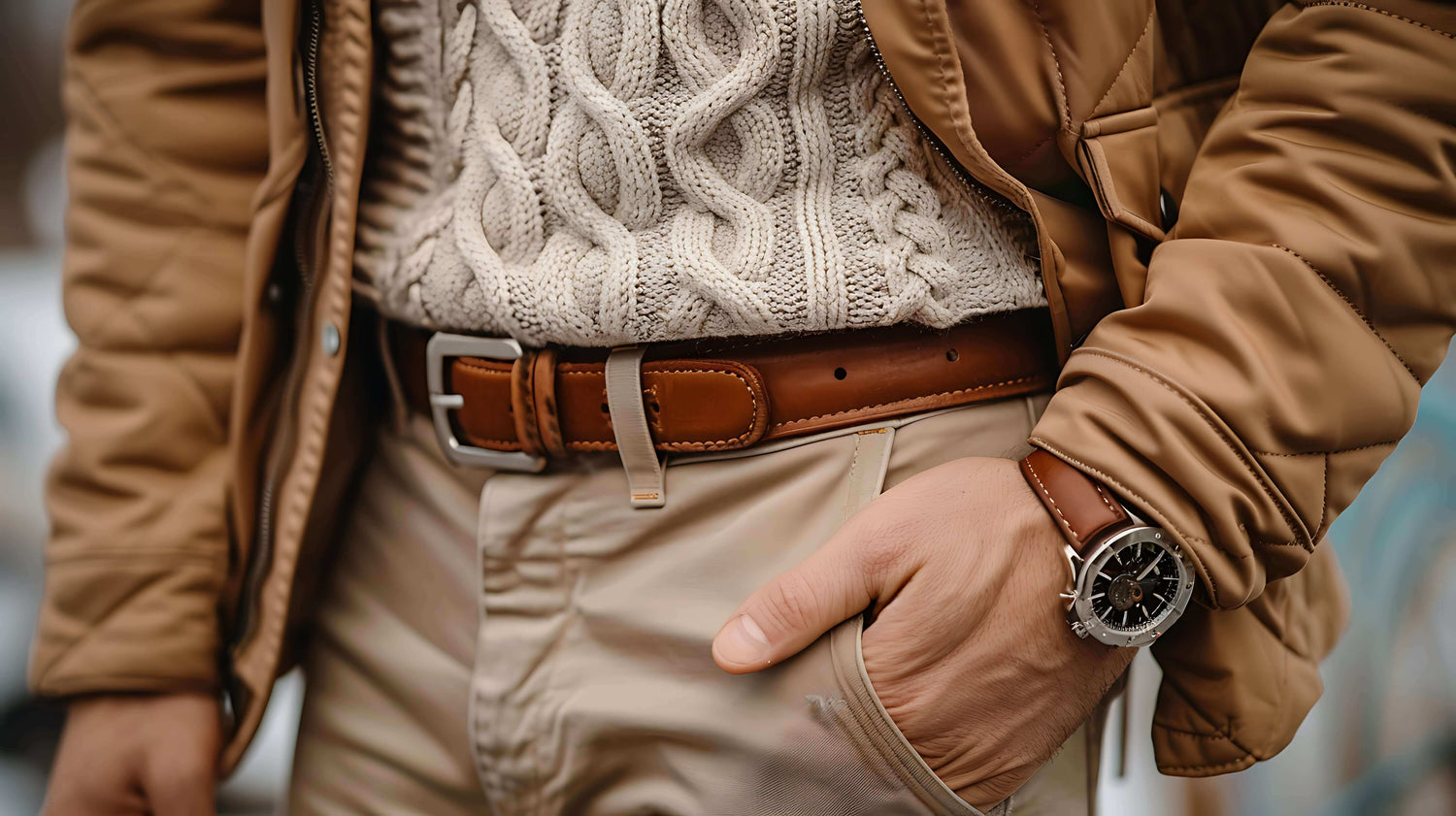


That back-pocket brick you have been sitting on all year is doing your pants, your posture, and your overall look zero favors. A real guide to wallet pocket carry starts with one simple truth: where you carry your wallet changes comfort, silhouette, access, and how well your gear holds up over time. A wallet is not just storage. It is part of your daily carry system, and the right setup should feel clean, balanced, and built for real use.
Why wallet pocket carry matters more than most people think
Most people choose a wallet once, stuff it full, and never rethink the carry method. That works until the wallet prints through tailored trousers, stretches out a pocket opening, or turns front-pocket carry into an awkward lump. Good pocket carry is about more than convenience. It affects how your clothing hangs, how quickly you can access cards and cash, and how much wear your wallet takes every single day.
There is also a style factor that gets overlooked. A premium leather wallet should complement your wardrobe the same way a well-made belt does. It should support a polished profile, not interrupt it. If your pocket line looks bulky or uneven, even a sharp outfit can feel unfinished.
A practical guide to wallet pocket carry by pocket type
The first decision is not the wallet itself. It is the pocket.
Front pocket carry
For a lot of men, front pocket carry is the best all-around option. It keeps the wallet more secure, reduces the chance of pickpocketing, and usually creates a cleaner silhouette than a loaded back pocket. It is especially strong for slimmer wallets made from genuine leather that can break in without becoming floppy.
The trade-off is space. If you already carry keys, a phone, and maybe a pocket knife, your front pockets can get crowded fast. In that case, wallet shape matters. A compact bifold or card holder is usually a better fit than a thick traditional wallet. If you wear slimmer pants, this becomes even more important.
Front pocket carry also tends to be more comfortable when you are driving, commuting, or moving throughout the day. You are not sitting on uneven bulk, and your wallet stays in a position where access feels natural.
Back pocket carry
Back pocket carry remains common because it is familiar and easy. Reach, grab, pay, done. For looser denim or casual pants, it can work well enough, especially if the wallet is not overloaded.
But there are real drawbacks. Sitting on a thick wallet can deform the leather, stress the stitching, and create a visible bulge that throws off the line of your pants. It can also wear one pocket faster than the other. If you prefer back-pocket carry, the key is discipline. Carry less. Choose a wallet designed to stay flat. Rotate out old receipts and cards you do not actually use.
A back pocket wallet should feel intentional, not stuffed to capacity.
Jacket pocket carry
For businesswear, travel, or colder seasons, a jacket pocket can be an excellent option. It keeps your pants profile clean and gives more room for a longer wallet or travel-ready setup. This is a strong choice if you wear blazers regularly or want quick access during meetings, dinners, or airport runs.
The downside is consistency. If you take the jacket off, you need a plan. Pocket carry works best when it is repeatable, so if your wallet moves from jacket to desk to bag all day, that convenience can disappear.
Choosing the right wallet for pocket carry
A strong guide to wallet pocket carry has to deal with the wallet itself, because bad carry often starts with bad wallet design.
Thickness beats size
Most people assume length or width is the issue. More often, thickness is what causes discomfort and pocket bulk. A wider wallet can still carry clean if it stays slim. A thick wallet, even a smaller one, creates pressure, printing, and awkward lines.
That means your first filter should be capacity. How many cards do you actually use weekly? How often do you carry cash? Do you need a clear ID slot, or are you carrying one out of habit? When you answer those questions honestly, the wallet usually gets smaller fast.
Leather quality changes the carry experience
Cheap leather tends to crack, warp, or become soft in all the wrong ways. Premium leather breaks in with character while keeping structure. That matters in pocket carry, because your wallet gets pressed, pulled, and handled constantly.
A well-made leather wallet should start firm enough to hold shape, then relax slightly with use. That balance helps it slide into the pocket cleanly, sit flatter, and age better. Stitching matters too. Weak edges and loose seams show wear early, especially if the wallet rubs against denim or work pants every day.
Shape and edge design matter
Sharp square corners can catch on pocket openings and create more visible printing. Rounded corners and tapered edges tend to carry cleaner. This sounds minor until you use the wallet every day. Little design details make a big difference when the wallet is in and out of your pocket dozens of times a week.
What to keep in your wallet and what to leave out
Pocket carry gets easier when you stop asking your wallet to be a filing cabinet.
Keep your primary payment cards, your ID, essential insurance information, and a small amount of cash if you use it. Beyond that, every extra card needs to earn its spot. Store gift cards, old receipts, loyalty cards, and backup documents somewhere else.
This is where style and function finally align. A slim, well-organized wallet looks better, carries better, and lasts longer. It also makes checkout smoother. No fumbling, no overstuffed pockets, no bent cards fighting to come out.
If you travel often, build a temporary travel loadout instead of permanently carrying everything. Swap in what you need for the trip, then slim back down when you get home.
Matching wallet carry to your wardrobe
Pocket carry is not one-size-fits-all because clothing changes the equation.
Jeans and casual pants
Denim can hide more bulk, but that does not mean bulk looks good. In jeans, front pocket carry often works well with a compact bifold or card wallet. Back pocket carry is more common here, but it still looks better when the wallet is low-profile and flexible enough to move with the fabric.
Dress pants and office wear
Dress pants are less forgiving. Thin fabrics show outlines fast, and structured tailoring looks best when pockets stay clean. For office wear, front pocket carry with a slim wallet is usually the sharpest move. If you wear a jacket, a breast or inside pocket can be even better.
Travel and utility wear
If you are on the move, security and access matter most. Front pocket carry is generally stronger here because it keeps valuables closer and more controlled. A compact wallet also pairs better with other daily carry essentials, especially if your belt, bag, and wallet all need to work together without adding drag to your routine.
Common pocket carry mistakes
The biggest mistake is overloading. The second is sticking with a wallet that no longer fits your life. If you switched from cash-heavy habits to mostly digital payments, your old thick wallet may just be dead weight.
Another mistake is ignoring clothing fit. Even the best wallet can look wrong in pants with shallow or tight pockets. And finally, a lot of people wait too long to replace a worn wallet. If leather is stretching out, stitching is failing, or cards are getting loose, it is time.
Quality accessories should work hard, but they should also know when to retire.
How to find your best wallet pocket carry setup
Start with your real routine, not your ideal one. Think about what you wear most often, how much you actually carry, and whether comfort, speed, or appearance matters most during your day. A professional in dress pants may want a slim front-pocket wallet or jacket carry. A traveler may prioritize compact security. Someone in denim every day may have more flexibility, but still benefits from less bulk and better leather.
The best setup usually lands in the middle - slim enough to stay comfortable, structured enough to look sharp, and durable enough to hold its shape through daily use. That is the same standard we apply at BeltBuy to any accessory worth carrying.
A wallet should move with your day, not fight it. If your pocket carry feels bulky, awkward, or hard on your clothes, that is not a small issue. It is a sign your setup needs refining, and a smarter carry system can make every day feel a little cleaner and a lot more put together.