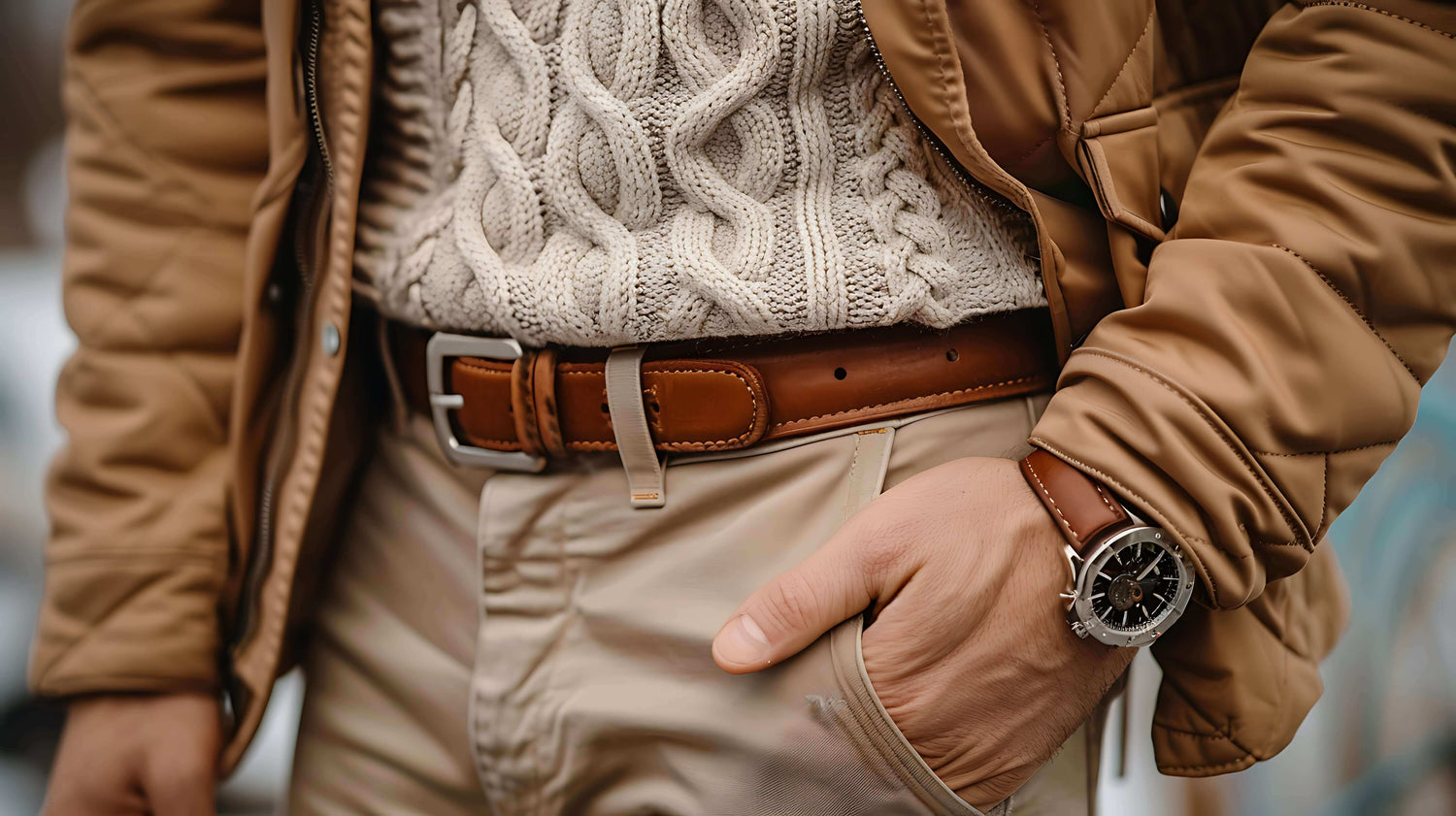


A belt can look sharp on day one and still disappoint by month three. That usually comes down to material, which is why genuine leather vs bonded leather is more than a label debate - it’s the difference between a belt that earns daily wear and one that starts cracking at the edges far too soon.
When you shop for leather accessories online, the wording can get slippery. Both materials may contain real animal hide. Both can be sold as leather. Both can look polished in product photos. But they perform very differently, especially in a category like belts where flexibility, structure, and long-term wear matter every single day.
Genuine leather vs bonded leather: what’s the actual difference?
Genuine leather is made from real hide. That sounds obvious, but there’s a little nuance. In the market, “genuine leather” usually refers to real leather that has been processed and finished, often from the lower layers of the hide rather than the very top grain. It is still real leather, and when it’s made well, it offers solid durability, a natural feel, and better aging than synthetic-heavy alternatives.
Bonded leather is different. It’s made by taking leftover leather scraps and fibers, grinding them up, then mixing them with adhesives and bonding agents before applying that material to a backing. In simple terms, it’s a leather blend with a manufactured structure. It may contain real leather content, but it does not behave like a continuous piece of hide.
That difference matters most when the product bends, pulls, and moves all day. A belt wraps, flexes, tightens, loosens, and rubs against belt loops constantly. Materials that look similar on a shelf can separate fast once real wear begins.
How each material feels in a belt
A good belt should feel substantial without being stiff and supportive without fighting your waist. Genuine leather usually gets this balance right. It has a natural grain, a richer hand feel, and a bit of character that makes the belt feel more premium from the start. Over time, it tends to soften in a way that feels broken in, not broken down.
Bonded leather often feels more uniform and more synthetic to the touch. Sometimes that can read as smooth and clean at first, which is why it shows up in lower-priced dress belts and fashion accessories. But that even surface can also feel flatter and less alive. If you’ve ever handled a belt that looked nice until you touched it, that’s often the giveaway.
For buyers who care about comfort and class, feel is not a small detail. It’s part of whether the belt disappears into your day in the best way or reminds you it was built to hit a price point.
Durability is where the gap gets real
If you want the shortest version of this comparison, here it is: genuine leather usually lasts longer, while bonded leather is more likely to crack, peel, or delaminate.
That doesn’t mean every genuine leather belt is excellent. Construction still matters. Stitching, edge finishing, buckle attachment, backing, and overall thickness all affect performance. But if two belts are built reasonably well, the genuine leather option has a clear edge in everyday wear.
Bonded leather struggles because it relies on a composite structure. Once the surface coating starts to wear or the adhesive bond weakens, the belt can show damage quickly. Edges may fray. The top layer may split. Creases can turn into visible cracks instead of the natural patina that leather lovers actually want to see.
This is especially important for work belts, travel belts, ratchet belts, and daily office belts. These are not occasional accessories. They are gear. A belt that gets worn five or six days a week needs material integrity, not just surface appeal.
Appearance over time: patina vs peeling
One of the best things about real leather is that it ages with personality. A genuine leather belt can develop a deeper tone, a softer finish, and subtle wear that makes it look even better with use. That’s part of the appeal. The belt starts to reflect your routine instead of fighting against it.
Bonded leather usually does not age that way. It tends to show failure before character. Instead of developing a richer look, it may turn dull, crease awkwardly, or begin peeling where the surface separates from the base material. The result is less rugged charm and more obvious wear.
If you are buying a belt to pair with business clothes, denim, boots, or smart casual staples, long-term appearance matters almost as much as immediate fit. A belt sits front and center. Once it starts looking tired, the rest of the outfit feels less polished too.
Why bonded leather is cheaper
Price is where bonded leather makes its case. It uses leftover leather fibers and engineered materials, so it can be produced at a lower cost than belts cut from real hide. That lower price can be appealing if you need a temporary accessory, a trend-driven piece, or a backup belt you won’t wear often.
And to be fair, not every shopper needs heirloom-level durability. If someone wants a belt for a one-time event or occasional use, bonded leather may feel like a reasonable trade-off.
But for an everyday belt, low upfront cost can turn into poor value. Replacing a cracked belt after a short stretch of wear is rarely a win. Most shoppers looking for dependable style, especially men building a work rotation or gift buyers shopping for something that feels substantial, are better served by paying for material that holds its shape and looks sharper longer.
How to spot the difference before you buy
Product pages do not always make this easy. “Leather” can be used broadly, and some listings rely on the fact that shoppers assume all leather performs the same.
Start with the wording. If a belt says bonded leather, reconstituted leather, or leather fibers blended with polyurethane, that’s your answer. If it says genuine leather, you’re dealing with real hide, though quality can still vary by maker and construction.
Then pay attention to product details. A trustworthy listing will usually talk about grain, texture, flexibility, buckle build, and wear benefits in specific terms. Vague language often hides average materials. Photos can also help. Genuine leather typically shows more natural variation in grain and texture, while bonded leather often looks overly uniform.
The return policy and quality guarantee matter too. Brands that stand behind craftsmanship tend to be more transparent about what they’re selling. That reassurance is part of the product.
Which one is better for belts?
For belts, genuine leather is usually the better choice. Not because it sounds more premium, but because the category demands more from the material. A belt needs tensile strength, repeated flex performance, shape retention, and visual staying power. Genuine leather handles that job better.
That’s true across multiple belt styles. A classic dress belt benefits from a cleaner aging process. A casual jean belt needs strength and resilience. A ratchet or slide belt depends on the strap staying structurally sound across repeated adjustments. In every case, the material has to do real work.
Bonded leather may be acceptable for very light use or highly budget-driven purchases, but it is rarely the best pick for someone who expects daily comfort, clean style, and dependable wear. Belts are not throwaway accessories. The right one should feel engineered for the job.
The smarter way to buy leather belts
If you are comparing belts and trying to make the right call, think beyond the word leather itself. Ask how the belt will be used, how often it will be worn, and whether you want it to improve with age or simply survive for a little while.
A genuine leather belt is usually the stronger long-game buy. It brings better feel, better wear, and better visual life over time. It also aligns with what most shoppers actually want from a belt: durability you can feel, style that stays sharp, and comfort that doesn’t quit halfway through the year.
At BeltBuy, that’s the standard worth aiming for. A belt should do more than complete an outfit. It should earn its place in your daily rotation, hold up under pressure, and still look right when the rest of your wardrobe is working hard too.
When the choice is genuine leather vs bonded leather, the best answer comes down to how much performance you expect from your belt. If you want something that looks good for now, bonded leather may get by. If you want a belt with staying power, genuine leather is the move.