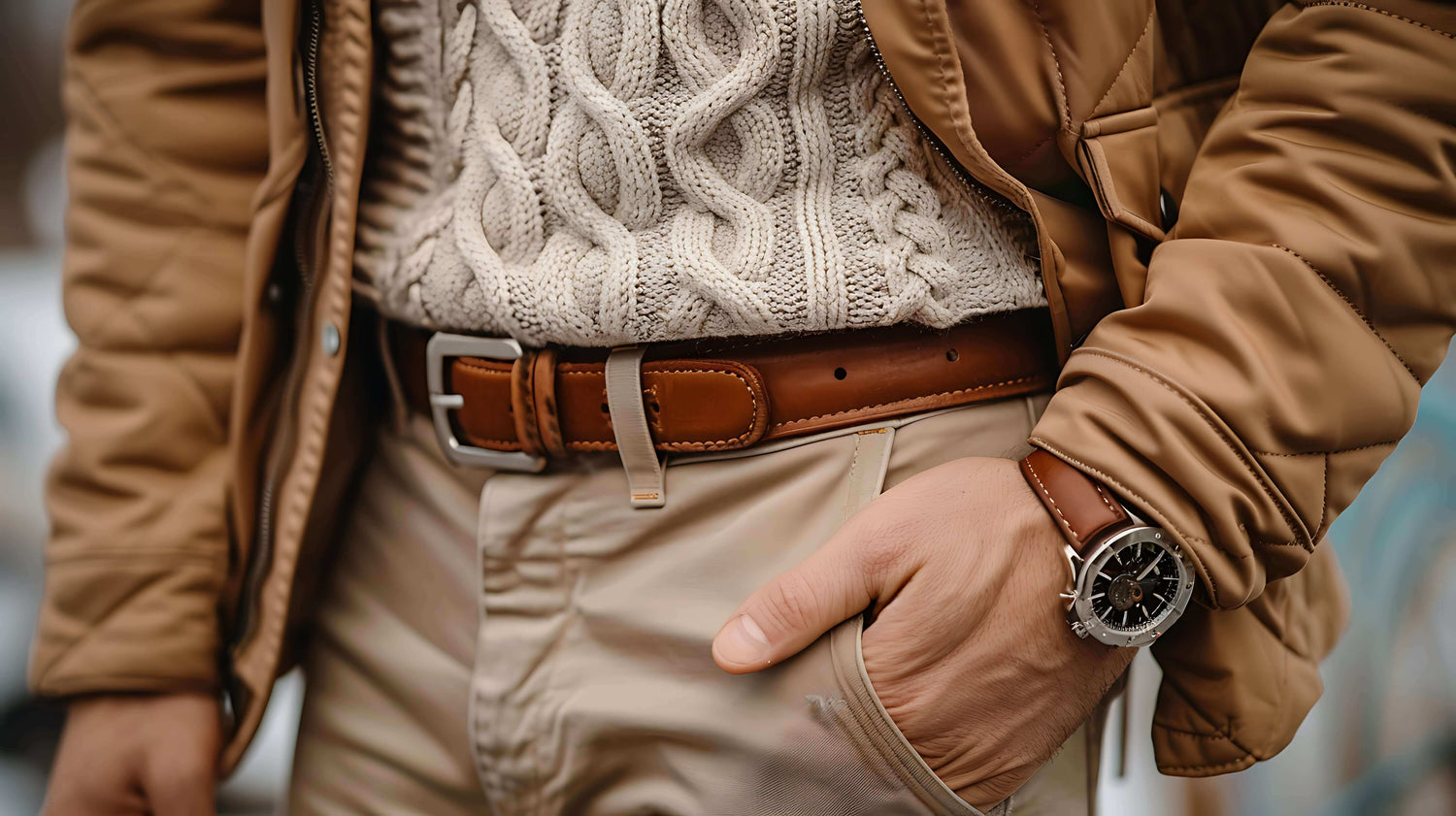


A belt can rescue an outfit or ruin it. Too stiff, and it fights the waist. Too flimsy, and it twists, cracks or loses shape after a few wears. A good genuine leather belt for women should do more than sit neatly at the waist - it should feel secure, wear comfortably through long days, and bring a finished edge to everything from denim to dresses.
That is where material matters. Leather has weight, structure and character that synthetic belts rarely match. It moulds with wear, develops a richer surface over time, and usually holds its shape far better when the cut and finish are right. If you are buying once and expecting repeat wear, genuine leather is often the smarter choice.
Why choose a genuine leather belt for women?
The appeal is not just about looks. A genuine leather belt for women offers a more dependable feel in daily wear. It tends to sit flatter against the body, resist that cheap plasticky curl at the edges, and age in a way that feels natural rather than worn out. Even when the styling is fashion-led, the material adds substance.
There is a trade-off, though. Not every leather belt is made to the same standard. "Genuine leather" can mean a real leather product, but it does not automatically guarantee the thickest hide, the cleanest cut or the strongest construction. The quality of the leather, the stitching, the buckle and the finishing all affect how the belt will perform.
So the real question is not simply whether the belt is leather. It is whether it is well made enough to justify a place in your regular wardrobe.
What to look for before you buy
Start with the strap itself. A well-made leather belt should feel solid without being awkwardly rigid. You want structure, but also enough flexibility for the belt to move with you rather than dig in. If the leather feels papery, overly thin or heavily coated to the point it looks artificial, that usually tells you something about longevity.
The edges matter more than many shoppers realise. Clean, neatly finished edges help the belt resist fraying and give it a sharper overall look. Rough or poorly sealed edges can make even a decent leather strap feel cheap. The same goes for the reverse side. It does not need to be glossy, but it should feel properly finished rather than fibrous and unfinished.
Then there is the buckle. This is where function meets style. A quality buckle should feel secure, not light and tinny. The prong should move smoothly, the fastening should sit firmly, and the metal finish should suit the kind of wear you have in mind. Polished hardware can sharpen up tailoring or evening outfits, while brushed or aged finishes often work better with denim, boots and more casual styling.
If you prefer a cleaner fit, it is also worth looking at modern belt systems designed for comfort and micro-adjustment. Traditional hole belts remain the classic choice, especially in women’s fashion-led styles, but comfort still comes down to precision. A belt should hold without pinching.
Getting the right width for the job
One of the easiest ways to choose well is to match the belt width to how you actually plan to wear it. Slim belts are often the most versatile for dresses, high-waisted skirts and lighter tailoring. They define the waist without dominating the outfit and can add polish without looking heavy.
Wider genuine leather belts for women are stronger visual pieces. They work particularly well with jeans, wide-leg trousers, knitwear and layered looks where you want more presence. A broader strap also tends to offer a more supportive feel, which matters if you wear belts all day rather than just for styling.
It depends on proportions as well. A very slim belt can disappear on bulkier fabrics, while an overly wide belt can overwhelm a lightweight dress. The strongest choice is usually the one that looks balanced with the garment and feels natural on your frame.
Fit should feel secure, not restrictive
Comfort is where a belt earns its keep. If you are constantly adjusting it, loosening it after meals, or avoiding it for long days out, it is not doing the job properly. Leather should support movement, not limit it.
Check where you intend to wear it - at the natural waist, on the hips, or somewhere between. That affects the size you need. Many returns happen because shoppers buy based on trouser size alone, when the actual wearing position is different. A waist belt over dresses and coats often needs a different fit from a belt worn through jean loops.
There is also the matter of flexibility over time. Good leather softens and settles with wear. That is a strength, not a flaw. What you want to avoid is a belt that stretches out too quickly, loses shape around the holes, or creases heavily after minimal use.
Colour, finish and how often you will wear it
Black and brown remain the hardest-working options for a reason. A black leather belt is crisp, versatile and easy to dress up. It suits officewear, monochrome outfits and sharper evening looks. Brown brings more warmth and often feels slightly more relaxed, particularly with denim, boots and neutral tones.
Beyond those staples, the finish changes the mood. Smooth leather tends to look cleaner and smarter. Textured or distressed leather feels more casual, more characterful and sometimes more forgiving in everyday wear. Patent finishes or embellished details can add impact, but they are usually less versatile.
If you want one belt to do the most work, choose a medium width in a classic shade with understated hardware. If you are building a wardrobe with more personality, a statement belt can be worth it - but it should still feel wearable rather than purely decorative.
Styling a leather belt without overthinking it
The best belts make outfits look intentional. With jeans and a shirt, a genuine leather belt adds structure and breaks up the silhouette cleanly. With a blazer, it can sharpen the line between tailored and relaxed. With dresses, it creates shape and can make looser fits feel more refined.
This is where leather earns its place over trend-led synthetics. It brings texture and authority. Even a simple outfit feels better anchored when the belt has proper presence.
That said, not every outfit needs a bold buckle or heavy strap. If the clothing already carries detail - prints, embellishment, strong tailoring - a quieter belt often works harder. When the outfit is simple, that is when a wider strap, western influence or statement buckle can carry more visual weight.
How to tell if it will last
Longevity usually comes down to three things: material quality, construction and wear pattern. Leather with decent density will resist sagging and splitting better. Strong stitching or secure buckle fixing helps prevent failure at stress points. And a belt designed for real wear will age gradually rather than collapsing after a season.
You can usually spot the warning signs early. Peeling surfaces, cracking around the holes, warped buckles and severe edge wear are all signs of a belt that was never built for regular use. Better belts do not stay pristine forever, but they tend to wear in rather than wear out.
That is why specialist retailers often have the edge here. When belts are treated as engineered accessories rather than afterthoughts, you see more attention given to leather processing, fit, finish and comfort. At BeltBuy, that belt-first approach is what makes the difference between a quick purchase and a belt you keep reaching for.
Care makes a good belt even better
Leather does not need fuss, but it does need a bit of respect. Store the belt flat or loosely rolled rather than crushed in a drawer. Keep it away from prolonged damp and direct heat. If the surface starts to look dry, a suitable leather conditioner can help maintain suppleness.
Try not to yank the strap tight every time you wear it. Repeated strain around one hole can shorten the life of any traditional belt. Rotating between belts also helps, especially if one style gets near-daily use.
A well-chosen leather belt should become easier to wear over time. It settles, softens slightly, and takes on the kind of lived-in character that makes leather so appealing in the first place.
If you are weighing up style against practicality, do not treat them as opposites. The right leather belt gives you both - a sharper finish on the outside, and dependable comfort where it counts every day.