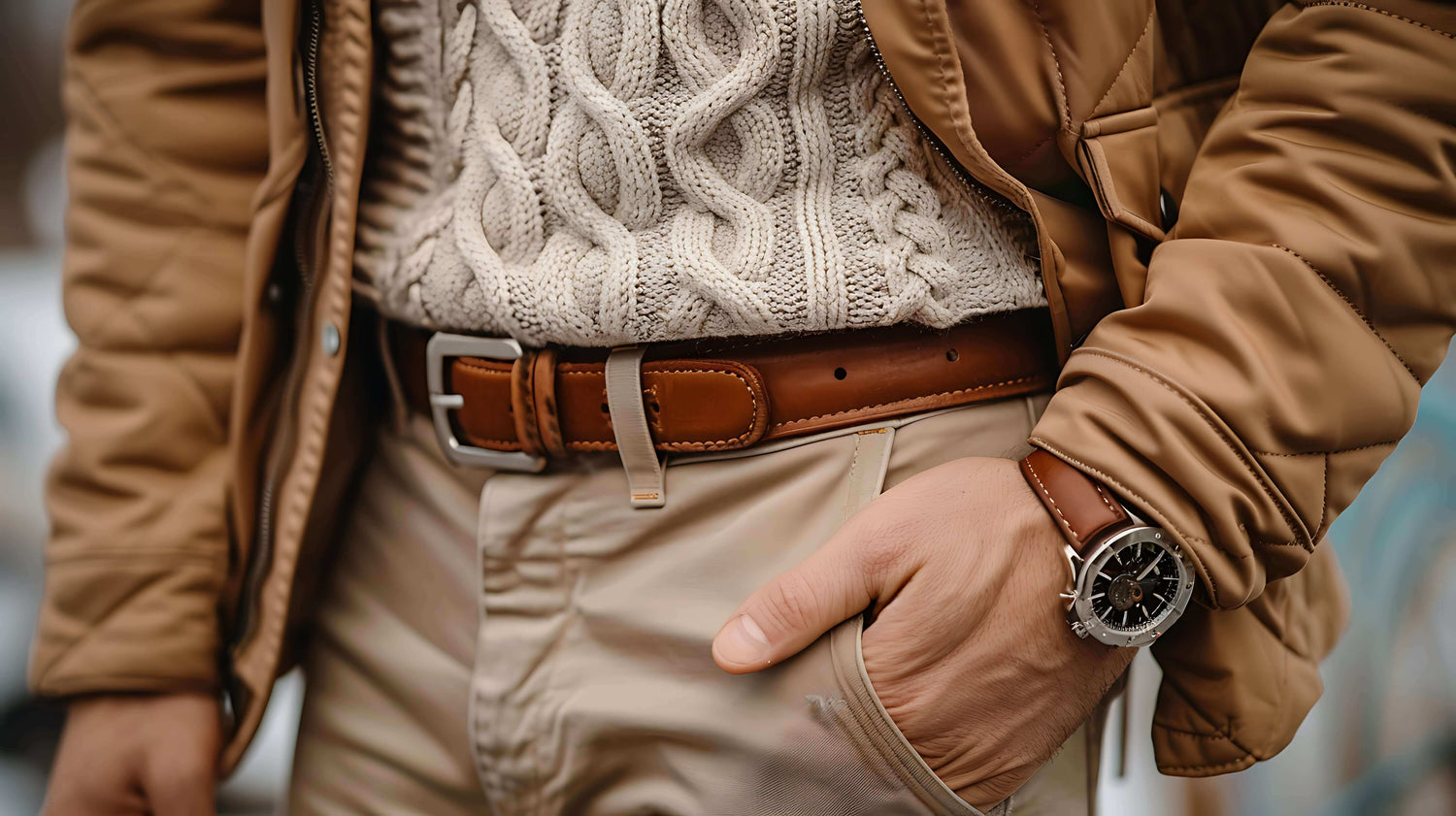


A belt that pinches at noon, gaps at the buckle, or runs out of usable holes before dinner is not a minor annoyance. It is a fit problem, a comfort problem, and usually a quality problem too. If you are shopping for the best belt for big waist comfort and long-term wear, the answer is not just a longer strap. It is a better design.
Most people with a larger waist have already learned the hard way that standard belts are built around limited sizing logic. They assume a narrow range of adjustment, a stiff break-in period, and a one-size-fits-most approach that rarely feels polished in real life. A well-made belt for a bigger waist should do more. It should adjust easily through weight fluctuation, sit flat without rolling, support your pants without digging in, and still look sharp with jeans, chinos, or office trousers.
What makes the best belt for big waist wearers?
The biggest mistake shoppers make is focusing only on length. Length matters, but comfort comes from the whole system - strap width, buckle style, material flexibility, and the amount of adjustment built into the belt.
A larger waist often means more movement at the midsection throughout the day. Sitting, driving, walking, and eating all change how a belt feels. That is why belts with fixed holes can become frustrating. You get a few preset positions, and if none of them is exactly right, the belt feels either too tight or too loose. A ratchet belt or no-hole automatic belt solves that better than a traditional pin buckle because it gives you small, precise adjustments instead of forcing you between holes.
That does not mean every big-waist shopper should abandon classic leather belts. If you wear suits or want a timeless dress look, a premium genuine leather belt with smart sizing can still work beautifully. The trade-off is flexibility. Traditional belts look clean and familiar, but they are less forgiving if your fit changes during the day.
Why adjustability matters more than you think
The best fit rarely stays the same from morning to night. That is especially true if you sit for long hours, travel often, or alternate between tucked and untucked outfits. Belts with micro-adjustment systems are popular for a reason. They let you fine-tune tension without the harsh jump from one hole to the next.
For a bigger waist, that matters even more. Small adjustments prevent pressure points and reduce the sagging effect that happens when you loosen a belt too much just to stay comfortable. A good ratchet or slide belt keeps your pants secure while allowing a natural fit. It feels engineered rather than improvised.
This is also where build quality separates a good purchase from a frustrating one. Cheap adjustable belts can slip, wear down at the track, or feel bulky at the buckle. A better belt uses durable hardware, a stable locking mechanism, and a strap that stays smooth under tension. That combination delivers comfort and class instead of gimmicky convenience.
The best materials for comfort and durability
Material is not just about appearance. It changes how a belt bends, supports, and ages.
Genuine leather remains one of the strongest choices for a bigger waist because it combines structure with natural give over time. A well-finished leather belt molds to your shape without collapsing. It should feel substantial, not cardboard-stiff. For everyday wear, leather also gives you the broadest style range, from business-ready black to more relaxed brown and western-inspired textures.
Nylon and tactical materials can be excellent for casual use, workwear, or travel. They are lighter, often easier to adjust, and less sensitive to heat and moisture. If your priority is utility, frequent movement, or all-day flexibility, a tactical belt may outperform a dress belt. The trade-off is visual polish. Nylon looks intentional with cargo pants, work pants, and casual outfits, but it is rarely the right call for formal or professional settings.
Synthetic belts can be affordable, but they often show stress earlier, especially near the buckle and edges. For bigger waist sizes, that strain becomes more obvious because the belt works harder under daily tension. If longevity matters, better leather or durable woven tactical construction is usually the smarter buy.
Choosing the right width and buckle
A wider belt often offers better support for a larger waist, but there is a point where wider becomes bulky. For jeans and everyday casual wear, a belt around 1.5 inches usually gives a strong balance of support and style. For dress pants, something slightly slimmer tends to sit better in formal belt loops and looks cleaner under tucked shirts.
Buckle choice matters too. Oversized buckles can add unnecessary bulk at the front, especially if you are already trying to create a streamlined fit. Low-profile ratchet buckles and well-proportioned classic buckles usually feel better and sit flatter. If comfort while sitting is a priority, this is worth paying attention to.
There is also a style angle here. A sleek buckle tends to make the belt feel more refined, while a larger statement buckle leans casual or western. Neither is wrong. It depends on your wardrobe. But if you want one belt to cover the most ground, choose restraint over flash.
How to size a belt for a big waist correctly
This is where many online belt purchases go sideways. People guess. Then they size up too much, end up with a tail that is too long, or pick a belt that technically closes but does not sit well.
A reliable starting point is to measure the waist area where you actually wear your belt, not just rely on your pant size. Pants from different brands can vary, and many people wear jeans lower than dress pants. That difference changes the measurement.
If you are buying a traditional belt, you want enough length to fasten comfortably with a little room for movement, without leaving an excessive strap tail. If you are buying a ratchet or no-hole belt, check whether it can be trimmed for a more customized fit. That feature is a major advantage for big-waist shoppers because it creates a cleaner, more precise result.
It also helps to think about use case. If this is your everyday belt, give yourself practical room. If it is a dress belt mainly worn with fitted trousers, a more tailored sizing choice may make sense. The best fit is not always the loosest fit. It is the one that stays comfortable and looks intentional.
Best belt styles by lifestyle
If you wear business casual most days, a genuine leather ratchet belt is hard to beat. It gives you the polished look of a classic belt with the adjustability that makes long workdays easier. For many men, this is the strongest all-around answer.
If your routine is more active, tactical belts deserve serious attention. They are built for movement, quick adjustment, and reliable hold. They also travel well and tend to be low maintenance. Just know they are more functional than dressy.
If you want a belt primarily for denim, boots, and casual wear, a full-grain or premium leather casual belt with a solid buckle brings more style character. It is less technical, but if the sizing is right, it can wear beautifully for years.
For shoppers who fluctuate in waist size or prioritize day-long comfort, no-hole automatic belts often make the most sense. They remove the all-or-nothing feel of fixed holes and make fit changes simple. That convenience is not a small detail. It is often the difference between a belt you tolerate and a belt you actually enjoy wearing.
Red flags to avoid
A belt can look impressive in photos and still fail in daily wear. Watch for vague sizing, thin bonded leather, flimsy buckle hardware, and adjustment systems that feel loose from the start. If the strap creases heavily after minimal wear, that is usually a warning sign.
Another issue is overcorrecting with extreme length. Extra-long is not the same as well-fitted. The best belt for big waist shoppers should be proportioned, supportive, and easy to wear, not just long enough to close.
That is where specialist belt brands have an advantage. When belts are treated as engineered essentials instead of checkout-add-on accessories, the fit and construction usually show it. BeltBuy leans into that difference with styles built around durability, easy adjustment, and everyday polish.
A bigger waist should not limit your options or lower your expectations. The right belt should feel secure without biting, flexible without sagging, and sharp enough to finish the outfit instead of fighting it. Buy for fit technology, real material quality, and the way you actually dress - then the belt stops being a problem you manage and starts becoming part of a wardrobe that simply works.